Explore the
In the middle of the 20th Century, Greenwood witnessed a slow, but certain, shift in the winds of justice, a gathering spirit of hope, promise, and determination that what had been taken for so long would be taken no more. Their steps can be traced, even today, in and around Greenwood.
EPICENTER OF
CIVIL RIGHTS
Known as an epicenter for the Civil Rights Movement beginning with the story of Emmett Till, Greenwood has two Freedom Trail Markers explaining the history of the events which took place.
FREEDOM TRAIL MARKERS
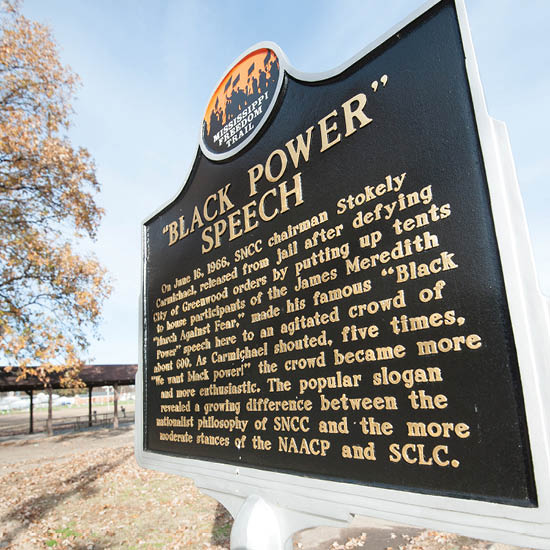
Follow the rich contributions of Greenwood’s Civil Rights history through the distinctive markers Freedom Trail. Bryant’s Grocery in Money and Broad Street Park, the site of the “Black Power Speech,” are recognized on the Freedom Trail. Don’t forget to pick up your self-guided tour maps for the Greenwood Civil Rights History experience at the Greenwood CVB office.
REMEMBERING EMMETT TILL
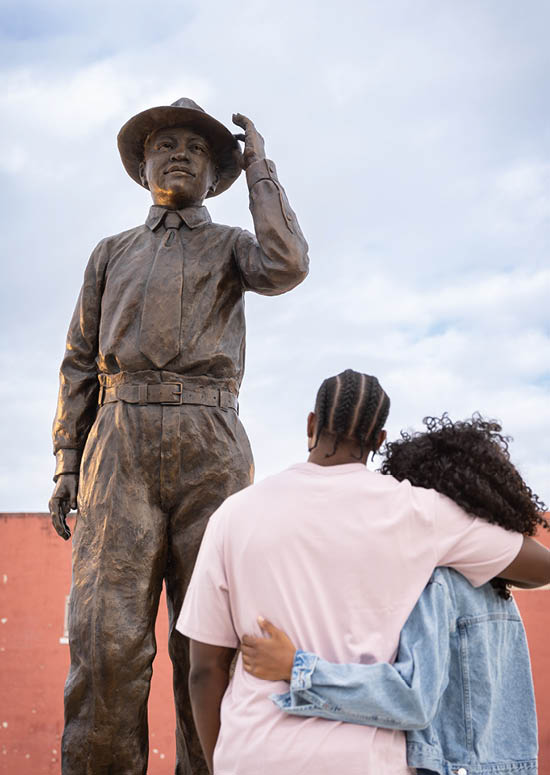
The bronze Emmett Till statue was erected in 2022 and stands nine feet tall. It’s located Greenwood, Mississippi, just about 10 miles from where the 14-year-old boy was abducted and lynched when visiting relatives on summer vacation in 1955. His brutal murder, and his mother’s relentless fight to show Americans what their fellow citizens had done to her son, is recognized today as one of the galvanizing forces that sparked the Civil Rights Movement.
BRYANT'S GROCERY
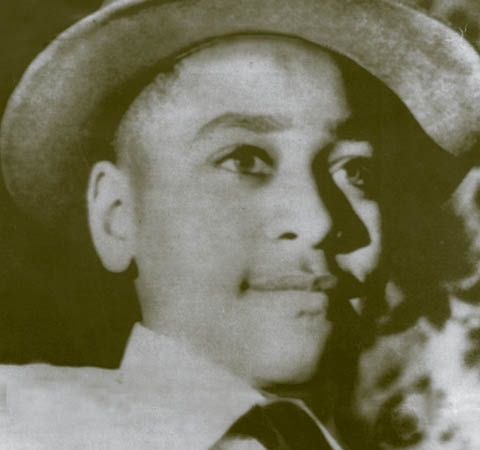
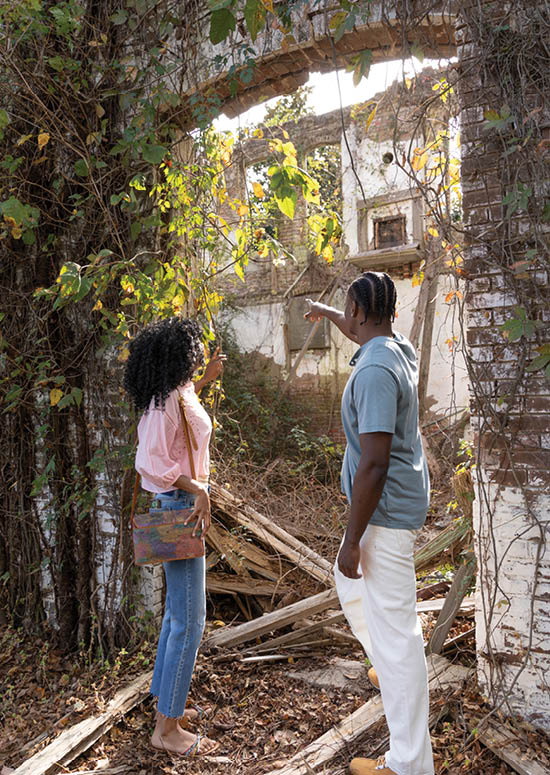
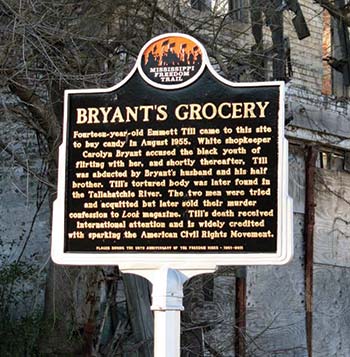
The Mississippi Freedom Trail Marker is located in Money, about nine miles north of Greenwood. Fourteen-year-old Emmett Till came to this site to buy candy in August 1955. White shopkeeper Carolyn Bryant accused the black youth of flirting with her, and shortly thereafter, Till was abducted by Bryant’s husband and half-brother. Till’s tortured body was later found in the Tallahatchie River. The two men were tried and acquitted, but later sold their murder confession to Look magazine. Till’s death received international attention and is widely credited with sparking the American Civil Rights Movement.
CIVIL RIGHTS TOUR
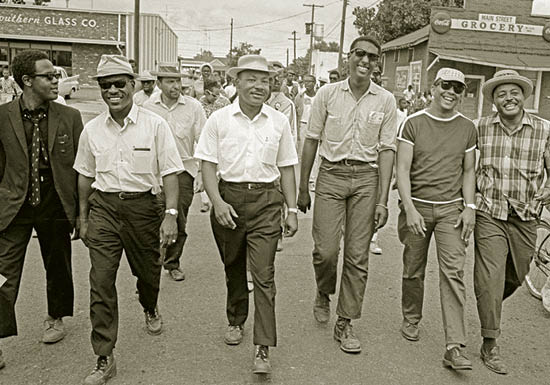
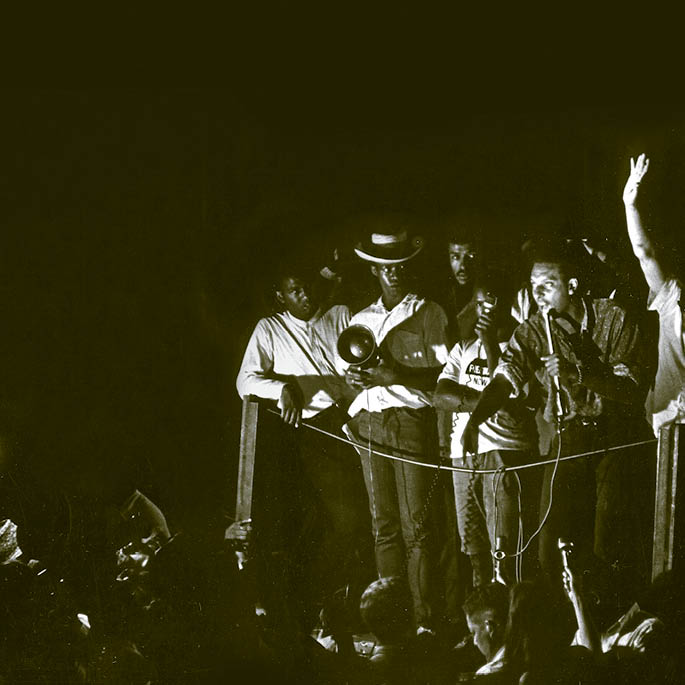
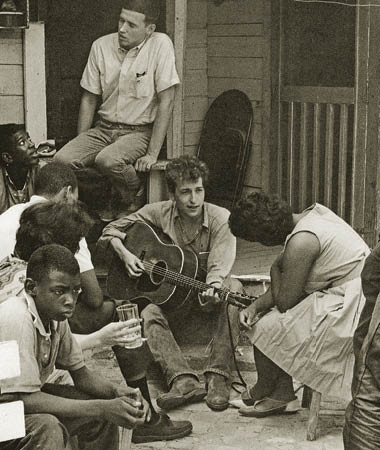
During the 1960s, Greenwood was a hotbed of civil rights activity, including visits by Dr. Martin Luther King and Stokely Carmichael, who first used the slogan “black power” at a speech on Broad Street, a site now marked on Mississippi’s Freedom Trail. Bob Dylan and Pete Seeger also made appearances here to rally support for African American voter registration.